Currently, the ongoing research is broadly based on the topics enlisted below:
- Artificial Intelligence
- Machine & Deep learning
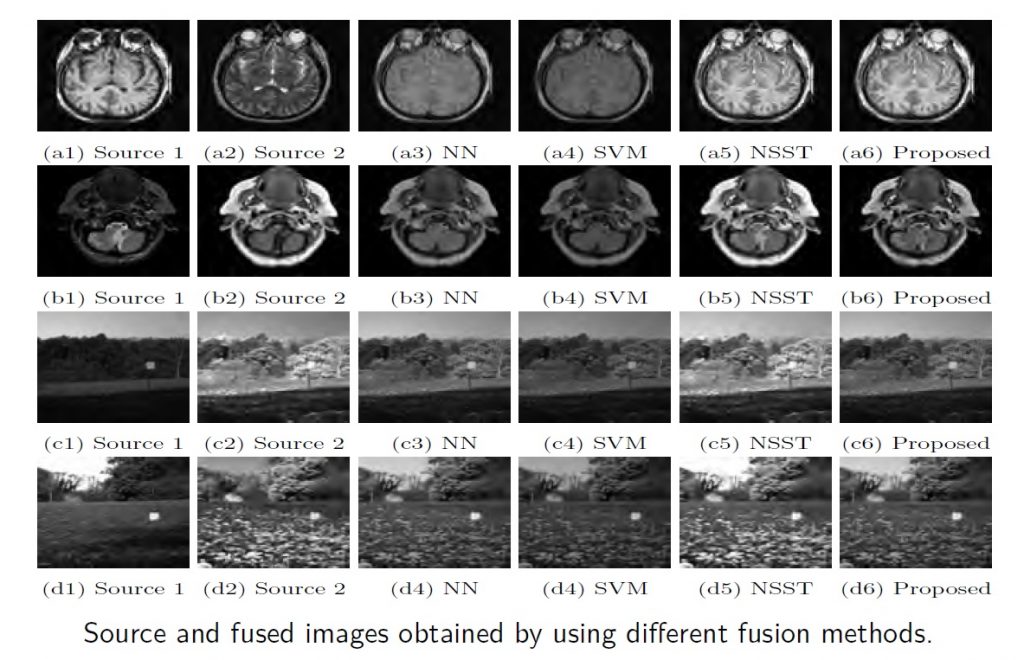
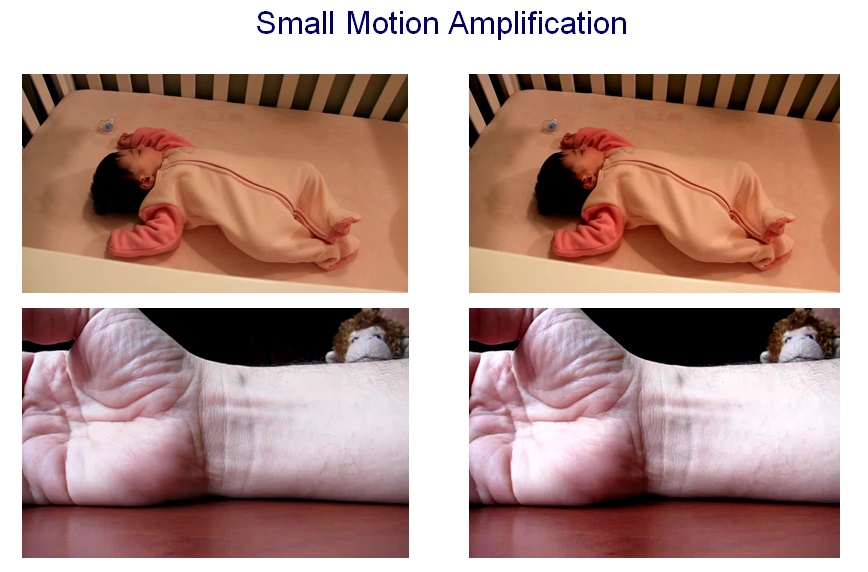
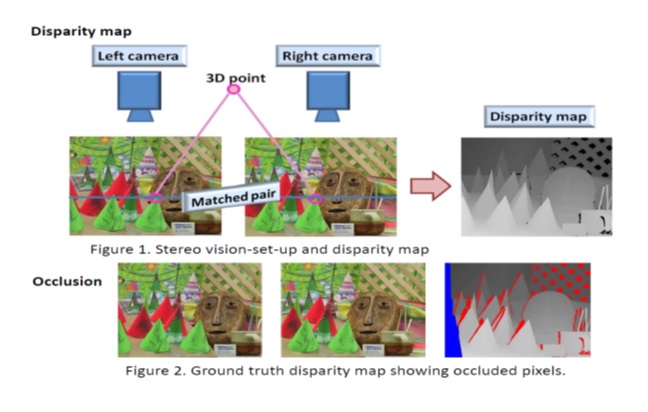
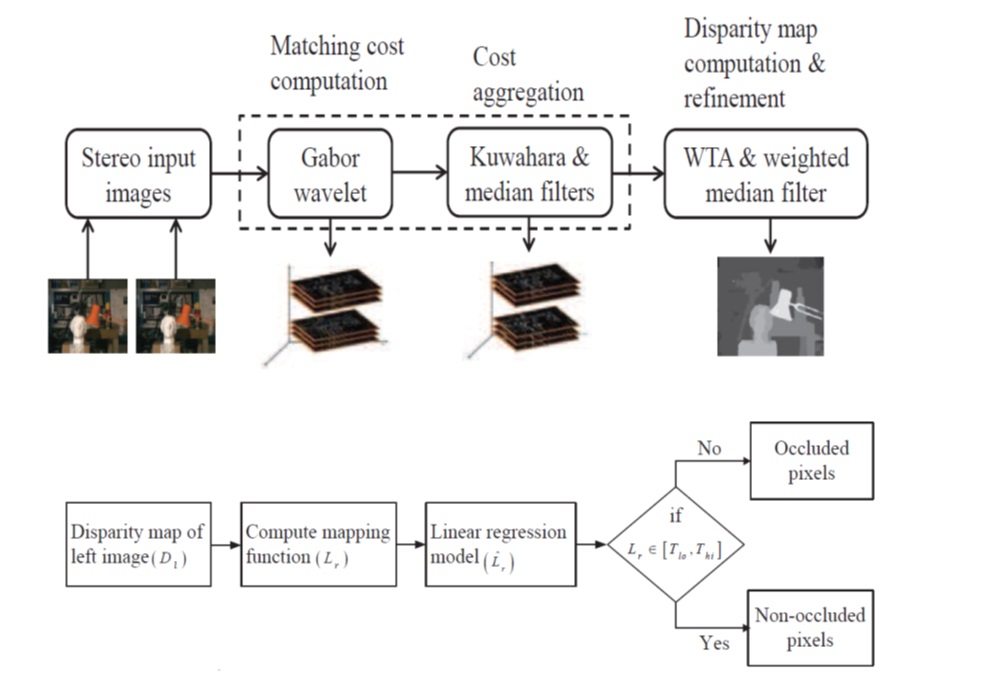
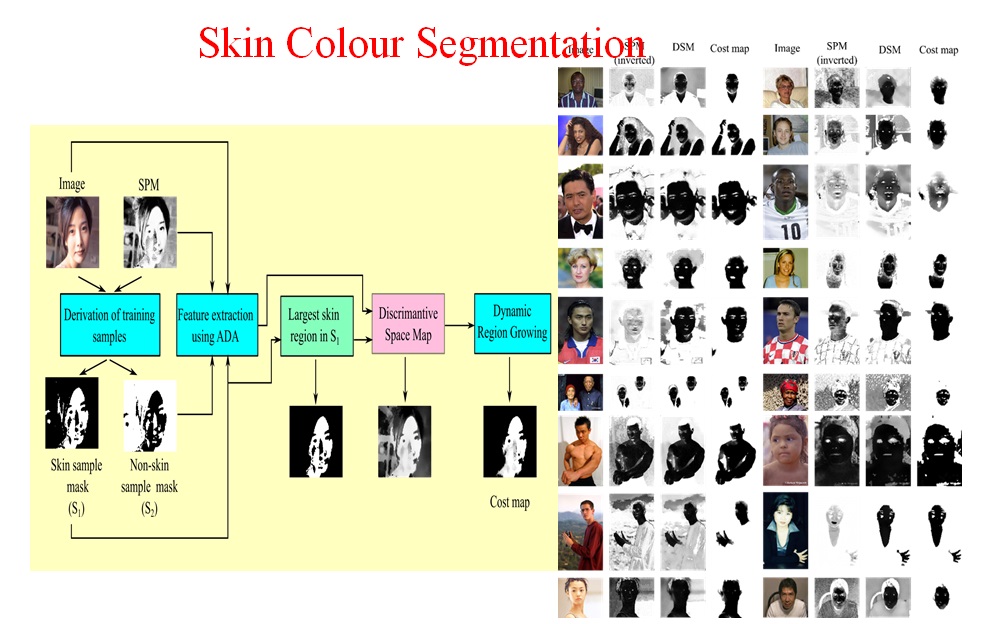
- Image & Video Processing
- Computer Vision
- Biometrics & Human Computer Interactions (HCI)
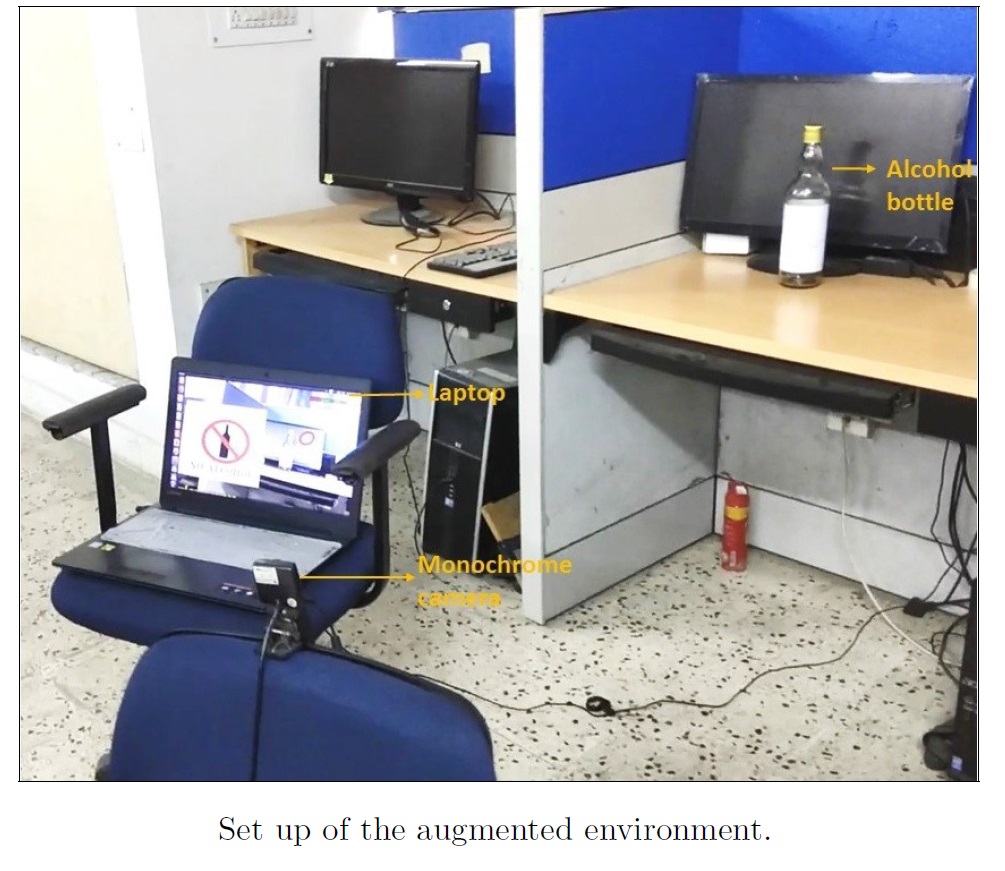
- Augmented Reality & Virtual Reality
- Biomedical Signal Processing.
Research Interests:
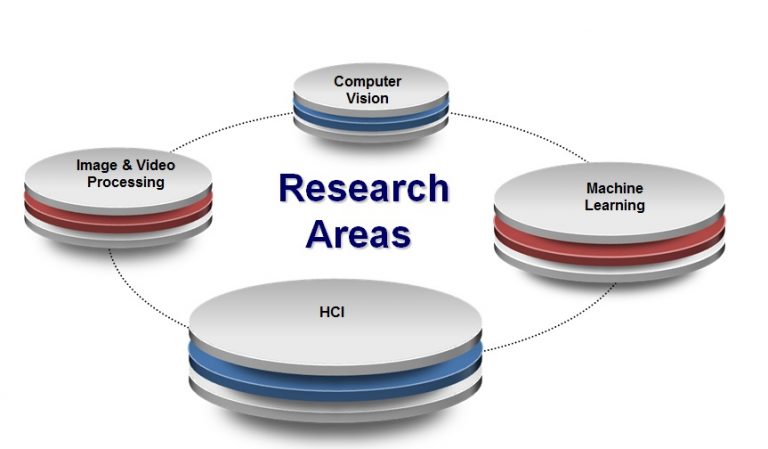
Area of specialization: Artificial Intelligence, Machine Learning & Deep Learning, Computer Vision, Image & Video Processing, Human Computer Interactions (HCI), Biomedical Signal Processing, Augmented Reality & Virtual Reality.
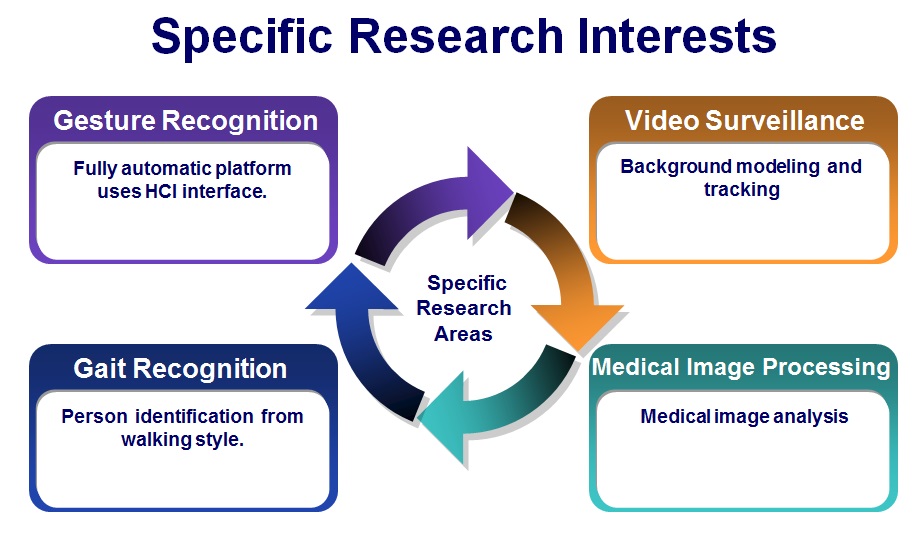
Topics of research: Human computer interaction, gesture recognition, virtual reality, robotic vision, video surveillance, bio-medical image analysis, bio-medical signal processing, image segmentation, application of fuzzy logic and/or neural networks in image understanding, machine learning, biometrics, deep learning methods, etc.
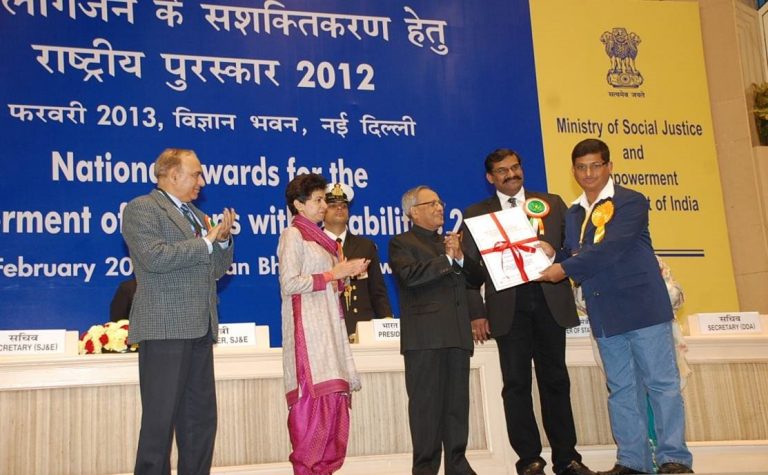
National Award from the President of India
I was honoured with the National Award for "Best Applied Research/Technological Innovation Aimed at Improving the Life of Persons with Disabilities" by the Government of India. The award was conferred by the Hon'ble President of India at Vigyan Bhawan, New Delhi, on 6 February 2013, in recognition of my pioneering research on assistive technologies for persons with hearing impairments.
My research focuses on Human–Computer Interaction (HCI), Artificial Intelligence, and Indian Sign Language (ISL) Recognition and Education, with the goal of developing intelligent technologies that enable effective communication, inclusive learning, and improved accessibility for the deaf and hard-of-hearing community. This award recognizes my sustained contributions to this important research area.
For more than 15 years, I have been actively engaged in this field through research carried out at the University of Queensland, Australia, IIT Roorkee, and IIT Guwahati. My work has led to the development of AI-enabled assistive technologies that facilitate sign language recognition, interactive learning, and communication support, thereby contributing to a more inclusive educational and social environment for persons with hearing impairments.
This research has been supported by the Ministry of Education (formerly MHRD), Government of India, under the National Mission on Education through Information and Communication Technology (NMEICT), reflecting its national significance and societal impact.
Video of the National Award Ceremony:
https://www.youtube.com/watch?v=7e65nRCMMMM
Past Research
My research has spanned several interdisciplinary areas of Computer Vision, Artificial Intelligence, Machine Learning, Human–Computer Interaction, and Assistive Technologies, with applications in intelligent surveillance, healthcare, autonomous systems, and inclusive technologies.
Intelligent Video Surveillance
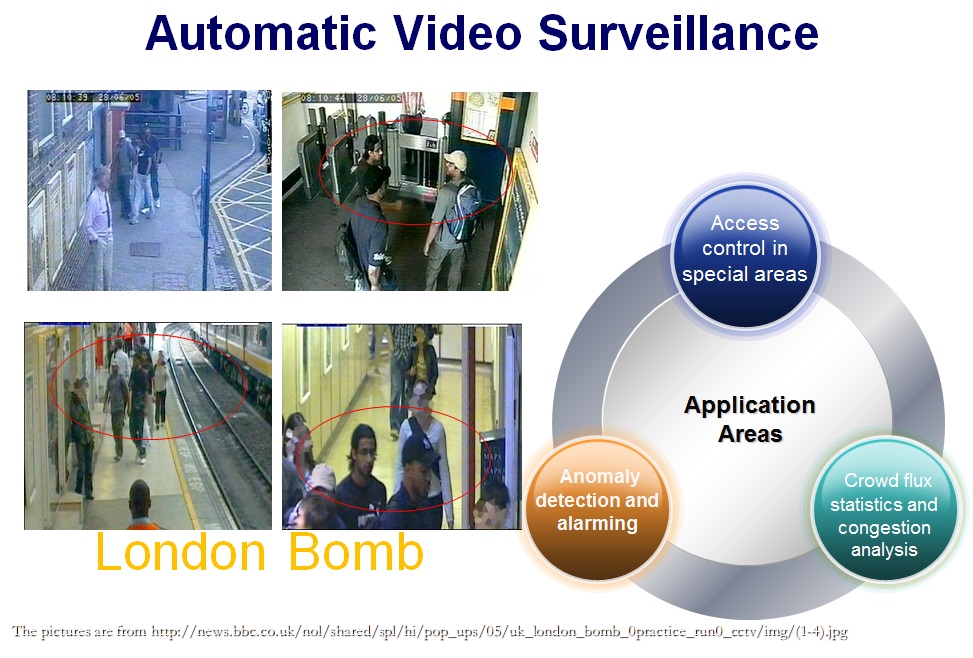
My early research focused on real-time human and object tracking in surveillance videos for intelligent CCTV systems. This work was carried out under the Smart Applications for Emergencies (SAFE) project of the Safeguarding Australia Program, funded by the Department of the Prime Minister and Cabinet, Government of Australia. I was a research member of the Sensor Group at National ICT Australia (NICTA) and the Security and Surveillance Group in the School of Information Technology and Electrical Engineering (ITEE), The University of Queensland, Australia. The research addressed challenging problems in automated surveillance and public safety, contributing to intelligent security systems with significant international relevance.
Human–Computer Interaction and Indian Sign Language
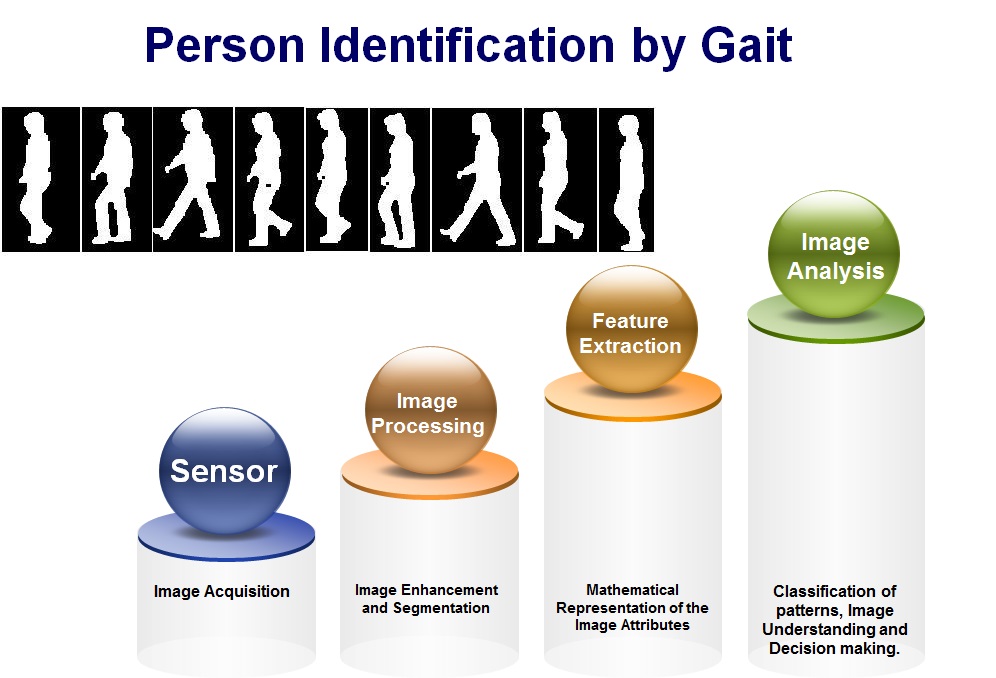
I conducted extensive research on Human–Computer Interaction (HCI), with particular emphasis on Indian Sign Language (ISL) recognition and education, hand gesture recognition, and gait analysis. This work aimed to develop AI-enabled assistive technologies to improve communication and learning opportunities for persons with hearing impairments. The research was supported by the Ministry of Education (formerly MHRD), Government of India.
E-Learning and Computer Vision Education
I also developed comprehensive course materials on Computer Vision and Applications under the national project "Developing Suitable Pedagogical Methods for Various Classes, Intellectual Calibers and Research in e-Learning", sponsored by the Ministry of Education (formerly MHRD), Government of India, under the National Mission on Education through Information and Communication Technology (NMEICT). The project contributed to enhancing high-quality digital learning resources for engineering education across India.
International Research Collaborations
I have established active research collaborations with leading international institutions, including Purdue University (USA), Chubu University (Japan), The University of British Columbia (Canada), and The University of Queensland (Australia). These collaborations have resulted in joint research projects, faculty exchanges, and high-impact publications. I have also contributed to strengthening international partnerships through an institutional Memorandum of Understanding (MoU) with Chubu University, Japan, and collaborative research with INSPEC, Japan.
My collaborative research has led to publications with internationally recognized researchers, including Prof. Yuji Iwahori, Prof. Brian C. Lovell, Prof. Karl F. MacDorman, and Prof. Robert J. Woodham, contributing to advances in computer vision, machine learning, and intelligent systems.
Ph.D. Thesis Title: Vision-Based Dynamic Hand Gesture Recognition for Human–Computer Interaction
Summary:
My Ph.D. research focused on developing robust computer vision techniques for dynamic hand gesture recognition to enable natural and intuitive human–computer interaction (HCI). The research addressed the challenging problem of recognizing hand gestures from visual image sequences without relying on wearable sensors, making the approach suitable for practical, real-world applications.
The work investigated advanced pattern recognition and machine learning algorithms for analyzing the spatial and temporal characteristics of dynamic hand movements. Novel methods were developed for gesture segmentation, feature extraction, motion analysis, and continuous gesture recognition, enabling accurate identification of diverse gesture classes under varying environmental conditions. The proposed techniques effectively handled variations in hand shape, motion trajectories, speed, and background complexity, thereby improving the robustness and reliability of vision-based gesture recognition systems.
The research contributed significantly to the advancement of intelligent HCI by facilitating seamless non-verbal communication between humans and machines. The developed methodologies have broad applications in sign language recognition, virtual and augmented reality, intelligent surveillance, assistive technologies for persons with hearing and speech impairments, robotics, gaming, and touchless interfaces. These contributions laid a strong foundation for my subsequent research in computer vision, artificial intelligence, machine learning, and AI-enabled assistive technologies for inclusive human–machine interaction.
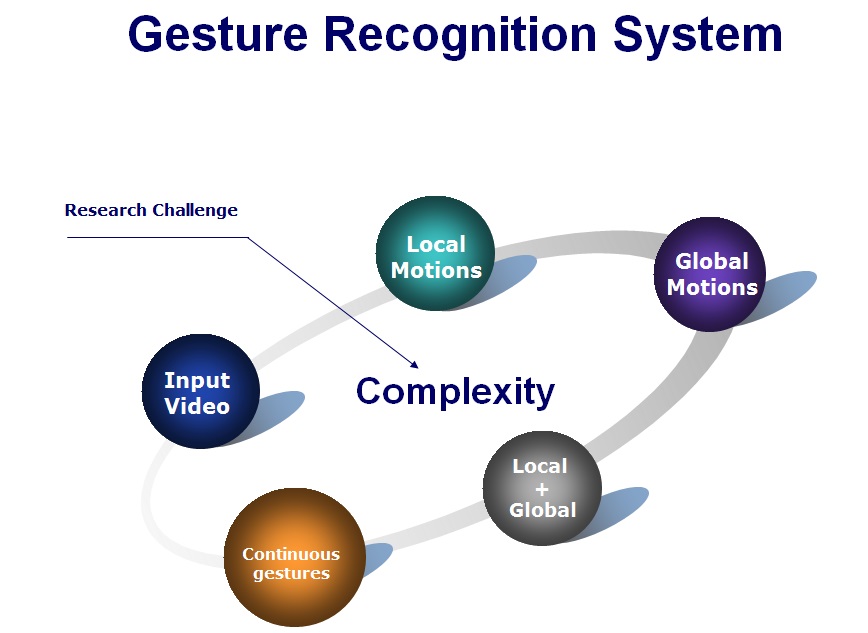
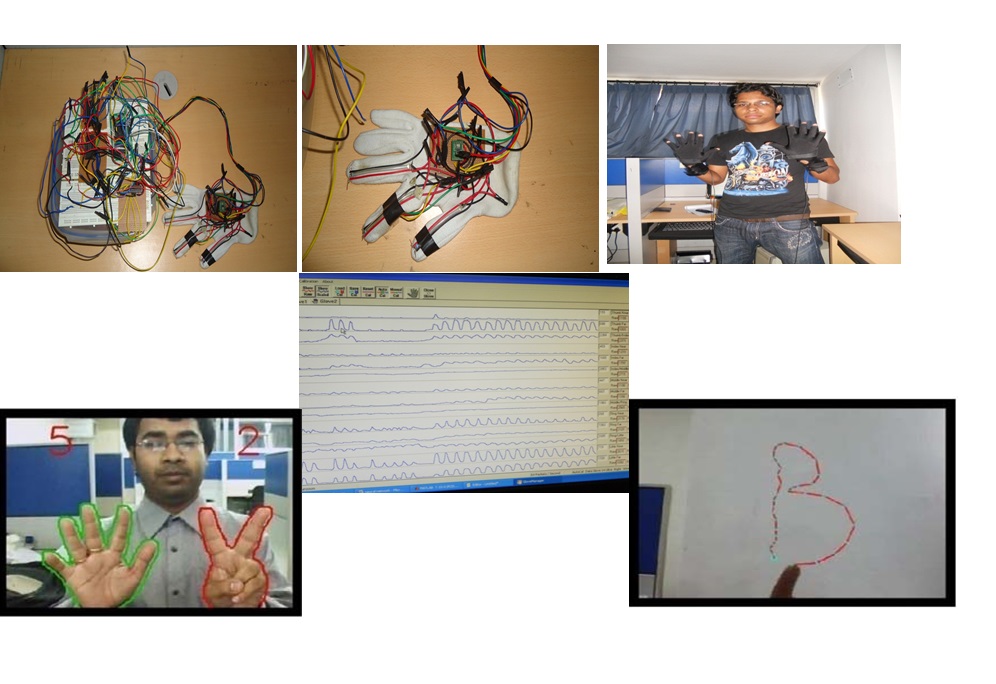
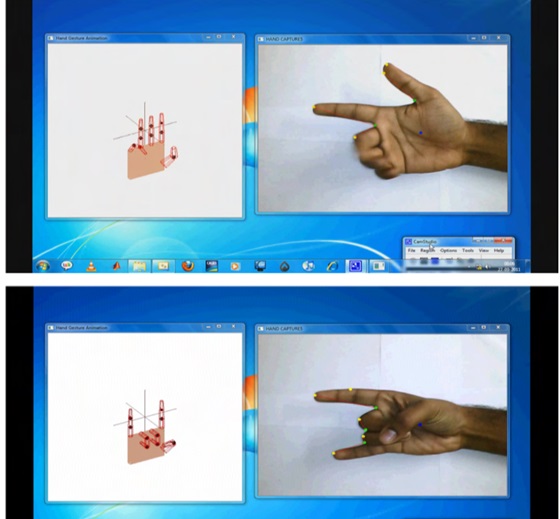
Our research focused on the recognition of a wide range of dynamic hand gestures exhibiting diverse spatio-temporal and motion characteristics, including the recognition of continuous gesture streams by automatically detecting individual gesture boundaries in the presence of co-articulation. We addressed three categories of dynamic gestures: (i) local-motion gestures involving only finger and palm movements, (ii) global-motion gestures involving movement of the entire hand in 3D space, and (iii) combined local-global gestures where hand configurations and arm movements occur simultaneously.
To achieve robust recognition, we introduced an object-based video abstraction framework that segments gesture videos into Video Object Planes (VOPs), each representing a semantically meaningful hand position. A gesture is then represented as a sequence of discriminative key frames corresponding to significantly different VOPs, eliminating redundant frames that merely capture the duration of a pose and thereby substantially improving computational efficiency.
For local-motion gestures, we proposed a Finite State Machine (FSM)-based representation, where each state encodes the hand shape and pose extracted from successive key frames. Gesture recognition is performed through FSM matching. For global-motion gestures, hand trajectories extracted from the key frames are characterized using trajectory-based features, including trajectory length, shape, and gesticulation speed, enabling accurate motion-based recognition. To recognize continuous gesture streams, hand-motion and pause cues were exploited to identify gesture boundaries and effectively mitigate the effects of co-articulation.
The proposed framework achieved an overall recognition accuracy of approximately 95% across diverse gesture categories. This work established an efficient and robust framework for dynamic hand gesture recognition and continuous gesture segmentation, contributing significantly to vision-based human–computer interaction (HCI), intelligent interfaces, assistive technologies, and sign language recognition systems.
Brief description of Post Ph.D. research:
|
Institute / Laboratory |
Activity |
| School of Information Technology and Electrical Engineering (ITEE), University of Queensland, Brisbane, QLD 4072, Australia |
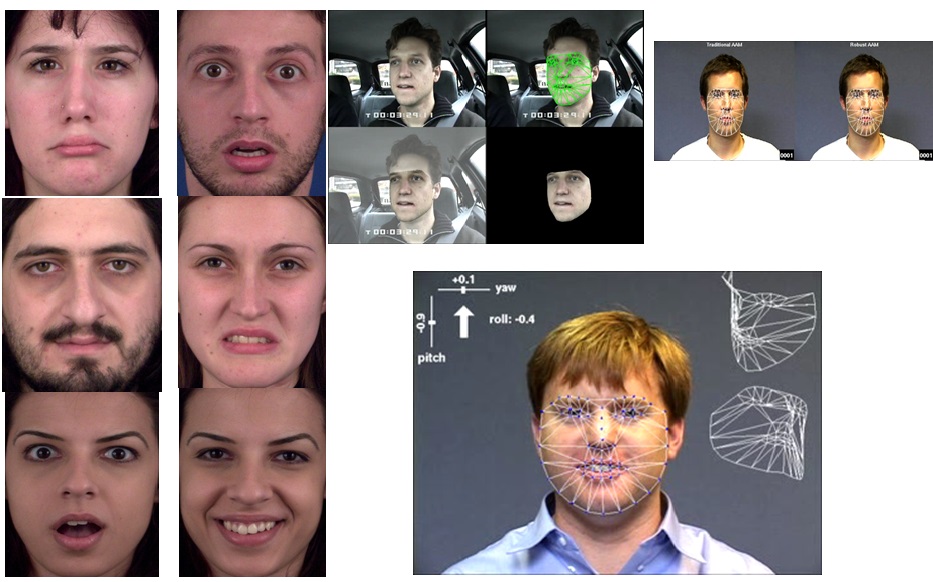
Served as a Research Member of the Security and Surveillance Group. Conducted research on face and gait recognition using computer vision and pattern recognition techniques for Human–Computer Interaction (HCI). The work focused on developing robust visual recognition algorithms for intelligent human identification and interaction systems. |
|
National ICT Australia (NICTA), Queensland Research Laboratory, Brisbane, QLD 4000, Australia |
Served as a Research Member of the Sensor Group under the Smart Applications for Emergencies (SAFE) project within the Safeguarding Australia Program. Conducted research on real-time human and object tracking for intelligent video surveillance systems using advanced computer vision and machine learning techniques. The project was funded by the Department of the Prime Minister and Cabinet, Government of Australia, with the objective of developing intelligent CCTV technologies for public safety and emergency response applications. |
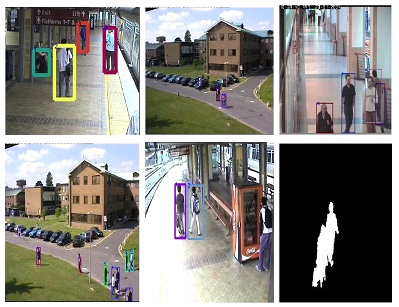
During my postdoctoral research in Australia, my primary research focus was on intelligent people and object tracking for real-world video surveillance applications. The work formed part of a major internationally funded research initiative on intelligent Closed-Circuit Television (CCTV) systems aimed at strengthening counter-terrorism capabilities for the protection of critical public transportation infrastructure, including airports, railway stations, and road networks. The project addressed the growing need for automated visual surveillance systems capable of replacing or assisting human operators in monitoring large-scale outdoor environments.
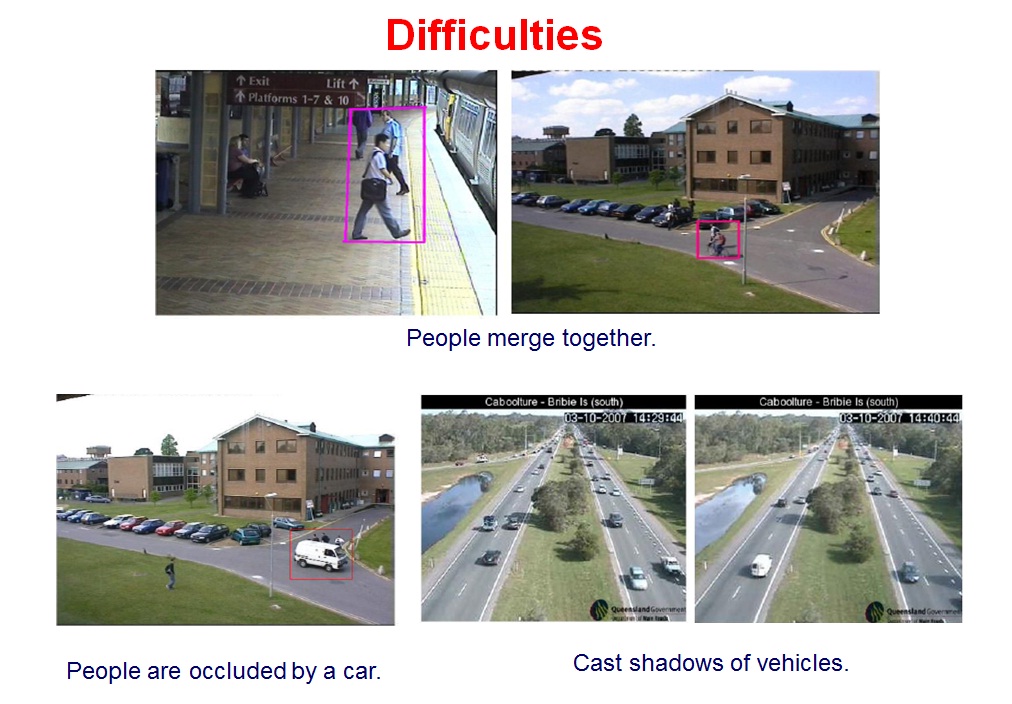
My research concentrated on developing robust computer vision algorithms for real-time pedestrian detection, classification, and multi-object tracking under challenging surveillance conditions. I proposed a novel pedestrian classification and tracking framework that integrates blob matching with particle filtering, combining the strengths of both approaches to achieve accurate tracking of multiple people in crowded outdoor environments. The proposed framework successfully tracks individuals even under severe partial occlusions, enabling reliable re-identification after people merge and separate.
To improve tracking robustness under imperfect foreground segmentation, I developed a novel appearance model that jointly exploits colour information from both the foreground regions and the original colour images. The appearance representation further incorporates the spatial distribution of human body features in both horizontal and vertical directions, significantly improving localization accuracy and tracking stability in complex scenes.
For pedestrian classification, I introduced a hierarchical Chamfer matching framework integrated with particle filtering to categorize commuters into multiple object classes in railway station environments. Building upon the single-camera framework, I further extended the research to multi-camera tracking through a two-level tracking strategy consisting of image-level tracking and particle filter-based ground-plane tracking, enabling consistent target association across multiple camera views.
Another important contribution of my research was the development of a novel vehicle extraction algorithm capable of accurately detecting cars in the presence of cast shadows. The proposed method combines shape-based features, including Chamfer template matching and non-shadow edge information, with a Shadow Confidence Score (SCS) derived from colour information, resulting in substantially improved vehicle segmentation under difficult illumination conditions.
The proposed algorithms were extensively evaluated using real surveillance video acquired from Brisbane railway stations in Australia, where I actively participated in the video acquisition and data annotation process. Experimental results demonstrated significant improvements over existing state-of-the-art approaches, particularly in handling occlusions, inaccurate foreground extraction, shadow effects, and multi-camera target tracking. These research contributions led to several high-quality publications and established a strong foundation for my subsequent research in intelligent computer vision, machine learning, and AI-enabled visual analytics.
Research Profile Summary
1. Vision-Based Hand Gesture & Sign Language Recognition
• Foundational contributions in FSM-based and trajectory-guided gesture recognition (2004–2012).
• Development of attention-based deep networks for hand segmentation, keypoint localization, gesture spotting, and continuous sign language recognition.
• Lightweight real-time models suitable for embedded and resource-constrained systems.
• Recent contribution (2026): EffiSign Network – Comprehensive approach for sign language recognition.
• Publications in leading IEEE, Springer, and Elsevier journals.
2. Medical Image Analysis & Healthcare AI
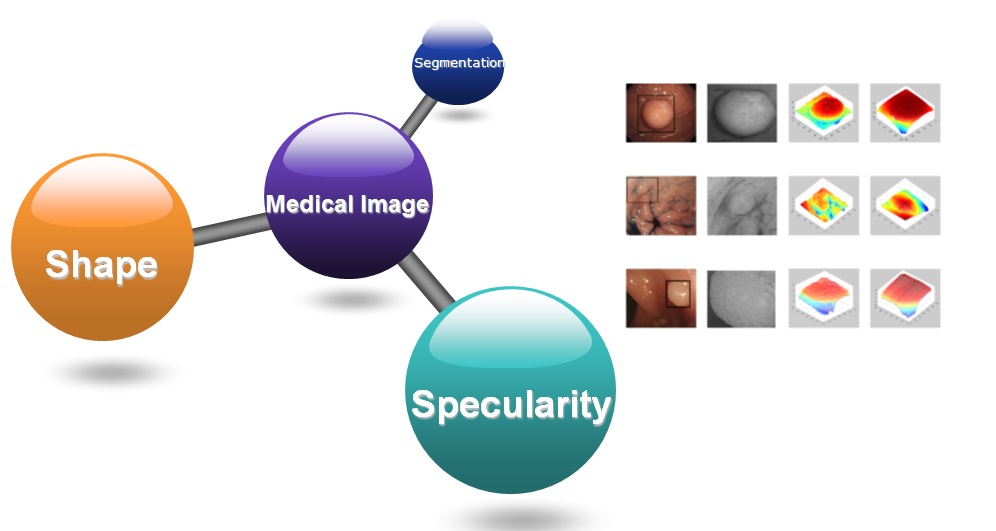
• Colonoscopic polyp detection, segmentation, and classification using deep learning frameworks.
• Semi-supervised GAN-based medical image classification techniques.
• MRI lymph node annotation from CT labels.
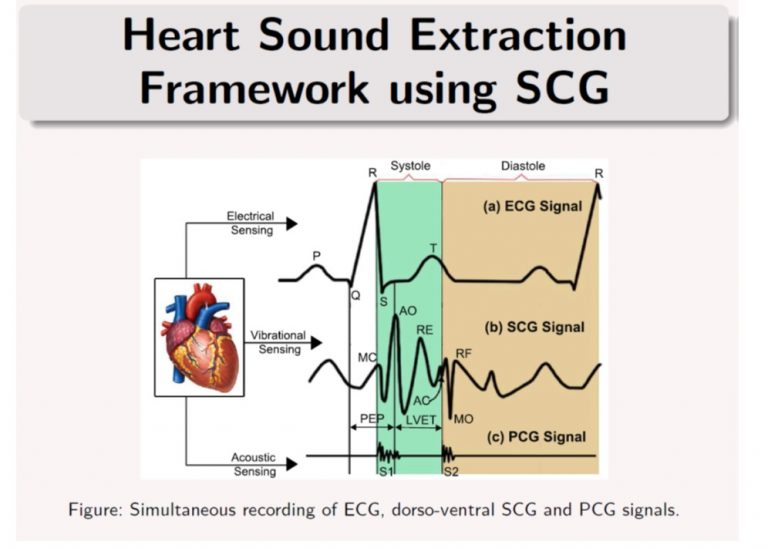
• Non-contact heart rate estimation, SCG-based cardiac analysis, and cuffless blood pressure estimation.
• Breast cancer classification using global and multiscale context fusion.
• Publications in Medical Image Analysis, Scientific Reports (Nature), IEEE JBHI, and Biomedical Signal Processing & Control.
3. Remote Sensing & Hyperspectral Image Super-Resolution
• Super-resolution of remote sensing images using attention and adversarial learning mechanisms.
• Transformer-based SAR image despeckling (IEEE TGRS, 2025).
• Hyperspectral image enhancement using spectral attention networks.
• Satellite image segmentation and roadway extraction using deep learning.
• Publications in IEEE TGRS, IEEE JSTARS, and IEEE Access.
4. Real-Time Semantic Segmentation & Edge AI
• Development of lightweight semantic segmentation networks (DMPNet, SLICENet, DECoDeNet, CTPNet).
• FPGA-based efficient deep learning architectures for edge deployment.
• Accuracy–efficiency trade-off optimization for autonomous driving applications.
• Publications in IEEE TCAS-I, TCAS-II, IEEE Embedded Systems Letters, and IEEE Transactions on Artificial Intelligence.
Publication Strength & Impact
• Over 300 peer-reviewed publications.
• Strong presence in top IEEE Transactions journals.
• Multiple publications in Nature group journals.
• Continuous research contributions spanning over 20 years.
• Extensive international collaborations including Japan, USA, and Middle East institutions..