About the Lab
Prof. M. S. Swaminathan
Northeast India is a region of profuse biodiversity. The abrupt variations in altitude and the presence of deep valleys provide a range of ecological conditions that determine the vegetation patterns of this region.
The region is also regarded as one of the world’s biodiversity hotspots due to its rich flora and fauna. Increasing developmental pressures and global biodiversity loss have intensified the need for effective conservation strategies.
The Applied Biodiversity Lab (ABL) aims to develop molecular tools and biomarkers for the conservation of important plant species indigenous to Northeast India.
Medicinally important plants such as members of the Zingiberaceae family and high oil-yielding plants including Pongamia, Jatropha, Ricinus and Mesua are studied in this context.
Apart from conservation strategies, the ethnopharmacology of these species is also explored. Many of these plants form important components of Ayurvedic formulations and their bioactive compounds are investigated for potential herbal therapeutics.
Through integrative research combining biodiversity exploration, genomics, molecular biology and natural product chemistry, the Applied Biodiversity Lab aims to develop knowledge and technologies that contribute to sustainable biofuel crops, medicinal plants and biodiversity conservation.
News & Updates
- NASI 95th Annual Session and Symposium successfully hosted and concluded.
- Memoir on Prof Swaminathan, a humanitarian: centenary celebration
- Book release: Wild Edible Greens, jointly edited by Latha Rangan, under the NASI initiative India Secure @75.
Research in Action
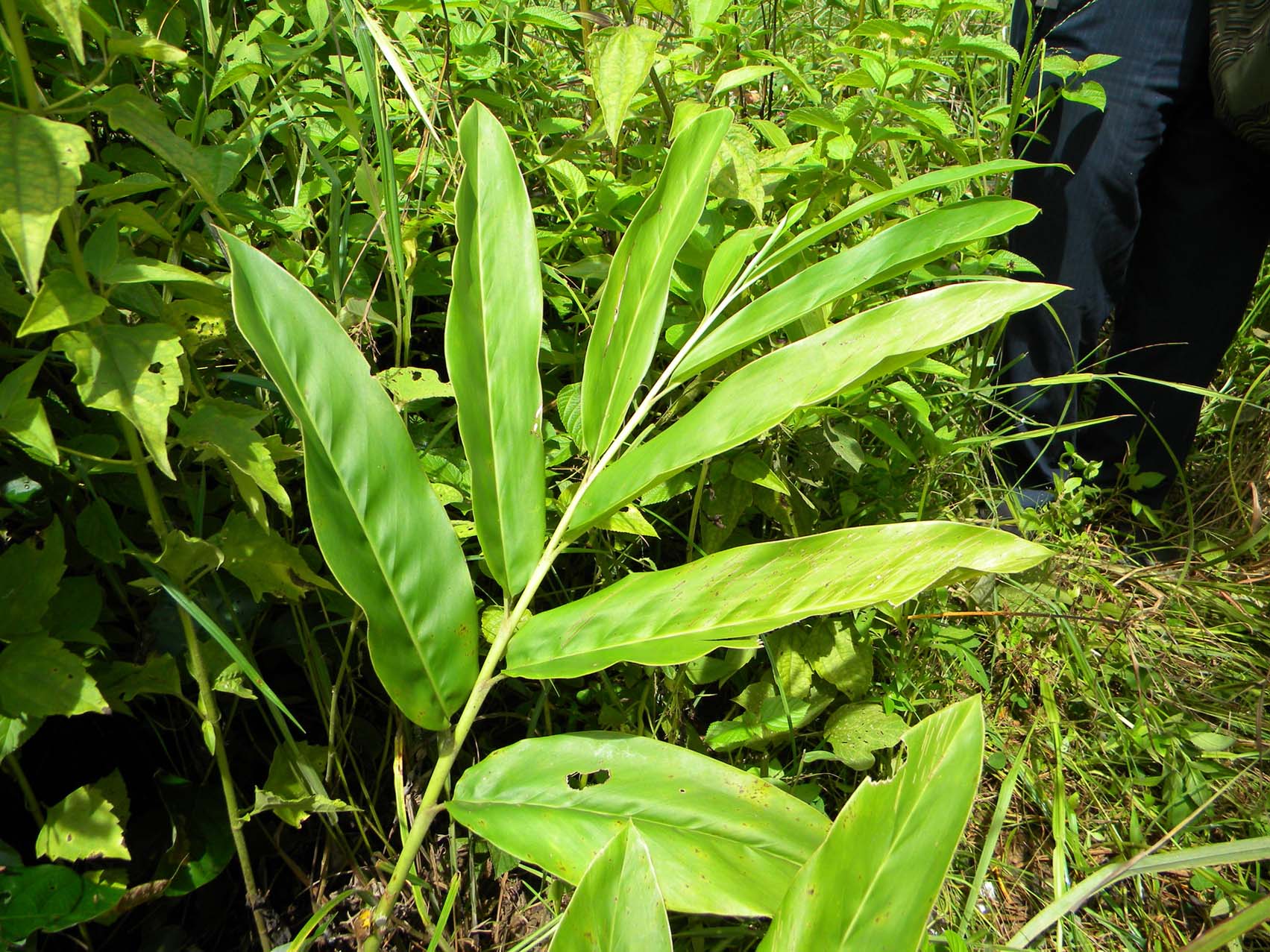
Zingiberaceae biodiversity exploration
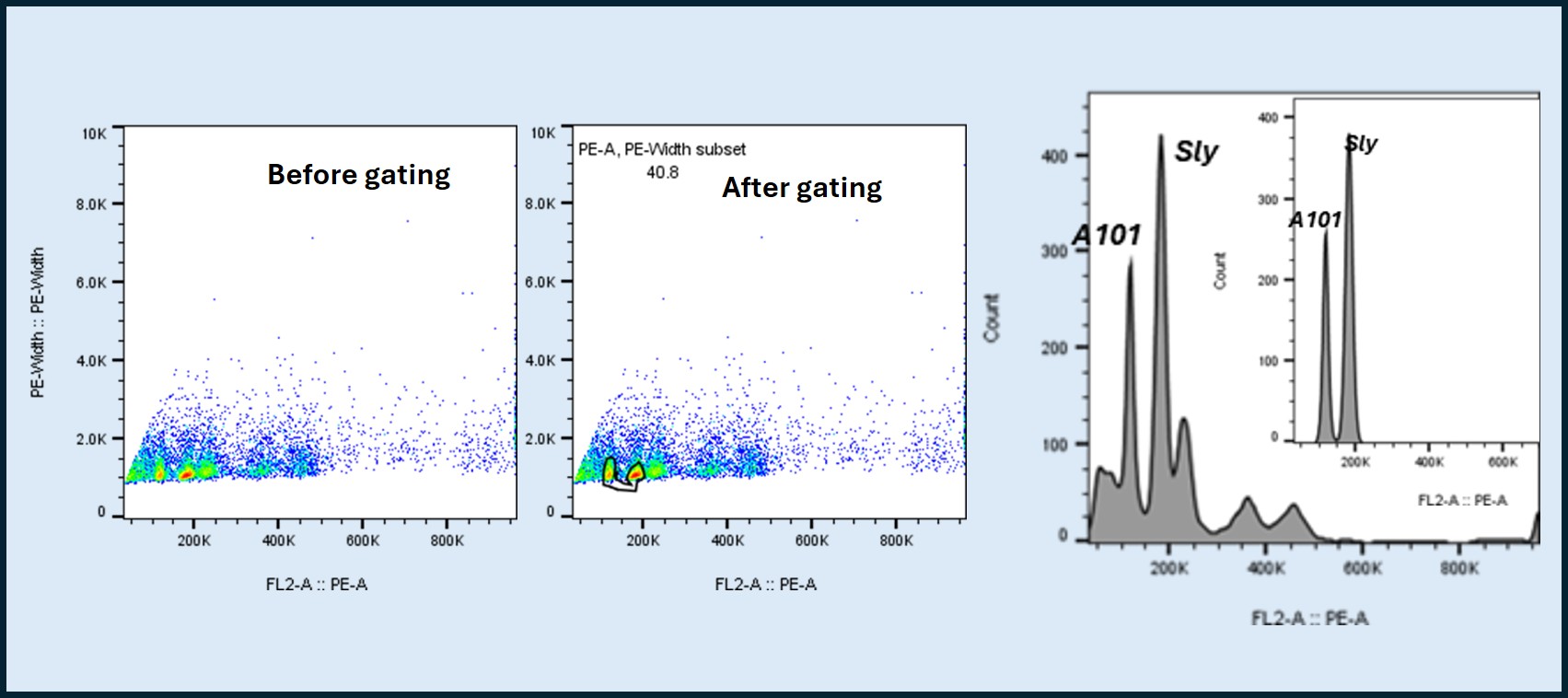
Genome size estimation using flow cytometry
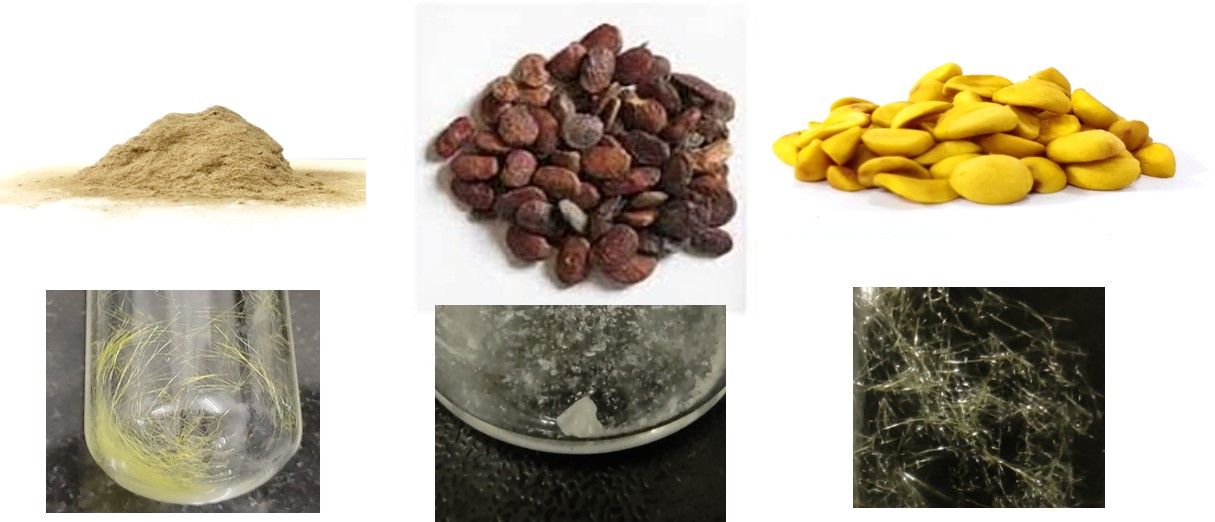
Plant-derived bioactive compounds
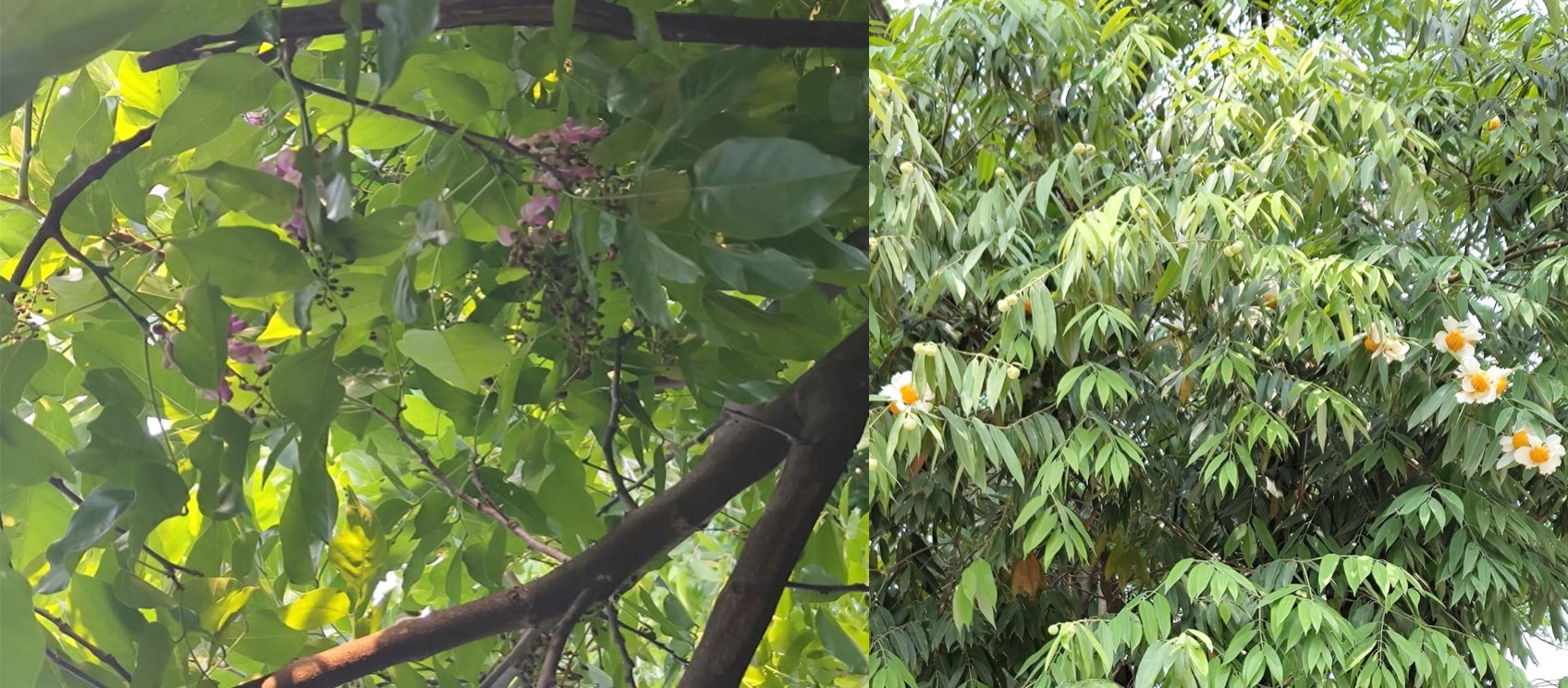
Biofuel crops such as Pongamia and Mesua